
Role of Safety at NEBCO Construction
Role of Safety at NEBCO Construction: Safety is not just a policy at NEBCO Construction—it is a deeply integrated culture that shapes every decision, every project, and every interaction. The Role of Safety at NEBCO Construction is one of the core pillars that defines how the company builds structures, manages operations, protects its workforce, and upholds its reputation as one of Nepal’s most committed construction firms. With a growing demand for modern, innovative, and sustainable construction practices in Nepal, NEBCO places safety at the forefront to ensure that every project is completed without compromising human well-being, quality standards, or regulatory requirements.
Understanding the Role of Safety at NEBCO Construction helps clients, partners, and stakeholders recognize why the company continues to excel in delivering safe, durable, and dependable buildings throughout Nepal. From residential structures to large-scale commercial developments, NEBCO manages risks with precision and implements robust safety protocols that match international standards. This 4000-word comprehensive guide explores how NEBCO fosters safe construction practices and why its commitment stands out in the Nepalese construction industry.
1. NEBCO’s Safety Vision and Its Importance in Construction
The Role of Safety at NEBCO Construction begins with a clear and uncompromising vision: to create a zero-accident working environment across all project sites. This vision is not limited to compliance—NEBCO aims to surpass the minimum requirements set by Nepal’s construction authorities. Safety is viewed as a long-term investment that protects lives, reduces project delays, increases productivity, and ensures superior structural outcomes.
NEBCO integrates this vision from the first stage of project planning to the final stage of project delivery. Safety is not an afterthought; it is embedded into every operational layer. This dedication ensures that workers feel confident, clients feel secure, and structures are built with exceptional care.
2. Safety Planning: The Foundation of Every NEBCO Project
Before a single tool is lifted at a project site, NEBCO develops a detailed safety plan tailored to the project’s unique challenges. This includes identifying risks, studying terrain conditions, evaluating building requirements, and mapping out preventive measures.
The Role of Safety at NEBCO Construction is evident through the meticulous nature of its planning. Each project begins with hazard assessments, emergency strategy preparation, safety parameter definitions, and coordination meetings with engineers, supervisors, and team leaders. This ensures that safety becomes the foundation upon which every construction step is built.

3. Safety Training for Workers and Staff
One of the most important aspects of the Role of Safety at NEBCO Construction is the emphasis on continuous training. NEBCO believes that a properly trained workforce is the safest workforce.
The company conducts frequent training sessions that cover:
- Workplace hazard recognition
- Proper use of tools and machinery
- Use of personal protective equipment (PPE)
- Emergency response and evacuation procedures
- Safe scaffolding and ladder use
- Electrical safety practices
- Fire safety drills
- Material handling techniques
These trainings empower workers with practical knowledge that reduces accidents, minimizes errors, and improves overall efficiency on-site.
4. The Importance of PPE (Personal Protective Equipment)
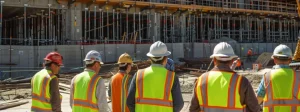
NEBCO enforces strict PPE rules, ensuring all workers and staff use:
- Helmets
- Safety vests
- Gloves
- Safety boots
- Protective eyewear
- Ear protection
- Respiratory masks when needed
The Role of Safety at NEBCO Construction includes constant monitoring to verify that all workers comply with PPE requirements. NEBCO invests in high-quality protective gear, recognizing that proper equipment significantly reduces the chances of injury.
5. Site Inspections and Daily Monitoring
Daily inspections are essential to maintaining safety continuity. NEBCO assigns dedicated safety personnel to examine:
- Structural stability
- Machinery conditions
- Material storage practices
- Pathway and site cleanliness
- Hazard zones
- Electrical setups
- Worker behavior and PPE compliance
These routine evaluations highlight potential risks and eliminate them before they become problems. The Role of Safety at NEBCO Construction is reflected in how proactively NEBCO approaches site monitoring.
6. Machinery and Equipment Safety Protocols
Machinery misuse is one of the most common causes of construction accidents worldwide. NEBCO avoids these risks by ensuring that:
- Only trained operators handle heavy machinery
- All equipment undergoes regular maintenance
- Faulty or outdated machinery is immediately replaced
- Load limits are strictly observed
- Machines are operated only in designated zones
The Role of Safety at NEBCO Construction also includes detailed documentation of machinery inspections to maintain accountability.
7. Scaffolding and Height Work Safety Standards
Working at height is one of the riskiest aspects of construction. NEBCO follows internationally recognized scaffolding protocols, which include:
- Using stable, certified scaffoldings
- Ensuring proper anchoring
- Guardrail installation
- Load balancing
- Safety harness usage
- Regular checks by safety officers
The company’s proactive approach ensures that working at height remains controlled and safe for every team member.
8. Material Handling and Storage Safety
Improper material handling can cause workplace injuries and delays. The Role of Safety at NEBCO Construction includes predefined procedures to manage materials safely:
- Proper lifting techniques
- Use of cranes and material hoists
- Designated storage zones
- Fire-resistant material placement
- Avoiding overcrowding of storage areas
- Controlled transportation of hazardous materials
NEBCO’s systematic process reduces site clutter and keeps workflow smooth.
9. Electrical Safety Measures
Electrical hazards can be dangerous and costly. NEBCO’s electrical safety measures include:
- Professional installation of temporary site wiring
- Insulated cables and protected circuits
- Ground-fault circuit interrupters (GFCIs)
- Regular inspection of electrical tools
- Prohibiting unauthorized personnel from electrical zones
These measures prevent fires, electrocution, and power-related accidents, representing a critical part of the Role of Safety at NEBCO Construction.
10. Fire Prevention and Emergency Preparedness
Fire safety is integral to every NEBCO project site. The company ensures:
- Placement of fire extinguishers
- Fire exits clearly marked
- Flammable material management
- Weekly fire drills
- Training on extinguisher use
The Role of Safety at NEBCO Construction is reinforced by NEBCO’s commitment to preparing for emergencies before they happen.
11. Environmental Safety and Site Hygiene
Proper waste disposal, eco-friendly construction methods, and site cleanliness help maintain both worker safety and environmental protection. NEBCO implements:
- Dust control measures
- Noise-level monitoring
- Waste segregation and recycling
- Water drainage management
- Clear pathways and organized worksites
Environmental safety is a defining element of the Role of Safety at NEBCO Construction.
12. Hazard Identification and Risk Assessment Systems
NEBCO uses a formal risk assessment system that ranks hazards based on severity and likelihood. This helps safety officers prioritize issues and implement corrective actions. The system includes:
- Workplace inspections
- Hazard reports
- Risk analysis
- Control procedures
These assessments are updated throughout the project timeline.
13. Communication Protocols for Safety Compliance
Clear communication saves lives. NEBCO ensures smooth communication channels:
- Daily safety briefings
- Notice boards
- Safety signage
- Emergency alarms
- Supervisor check-ins
- Mobile communication among team leaders
The Role of Safety at NEBCO Construction relies heavily on consistent communication to avoid confusion and quickly address concerns.

14. Safety Documentation and Reporting
NEBCO maintains detailed documentation for:
- Accident reports
- Inspection reports
- Safety meeting minutes
- Risk assessments
- Training logs
- Machinery audits
Documentation ensures transparency and creates opportunities for improvement.
15. Safety Culture: Leadership and Accountability
NEBCO leadership prioritizes safety by setting expectations for supervisors, staff, and workers. Every individual is responsible for maintaining a safe environment. Supervisors conduct safety briefings, workers follow protocols, and management evaluates safety system performance regularly.
The Role of Safety at NEBCO Construction is only effective because everyone contributes to it.
16. Client and Stakeholder Assurance
Clients choose NEBCO because they understand the company values human life and structural integrity above all else. NEBCO’s safety standards result in:
- Fewer delays
- Better project outcomes
- Reduced insurance costs
- Higher trust
- Stronger client relationships
Clients feel confident knowing their project is handled with the highest safety standards.
17. Community Safety Measures
NEBCO goes beyond worker safety and focuses on protecting nearby residents. This includes:
- Site fencing
- Traffic control plans
- Signboards for pedestrians
- Noise and dust control
- Controlled working hours
- Secure equipment storage
This broader approach enhances the Role of Safety at NEBCO Construction, showing responsibility toward the community.
18. Crisis Management and Emergency Response Teams
NEBCO has dedicated emergency response teams trained to react to:
- Injuries
- Fires
- Falls
- Machinery accidents
- Structural hazards
Having trained teams on-site reduces response time and mitigates damage during unforeseen events.
19. Continual Improvement of Safety Practices
NEBCO continually evaluates and upgrades its safety processes by:
- Studying new safety technologies
- Reviewing global best practices
- Learning from previous incidents
- Collecting worker feedback
- Updating training modules
The Role of Safety at NEBCO Construction evolves with industry changes to keep workers protected.
20. Why NEBCO’s Safety Standards Make It a Trusted Builder
The company’s unwavering commitment to safety is one of the main reasons clients trust NEBCO. Safe construction leads to:
- Stronger structures
- Higher accuracy in construction work
- More efficient operations
- Greater worker morale
- Better project management outcomes
The Role of Safety at NEBCO Construction sets NEBCO apart as a dependable, responsible, and forward-thinking builder.
Contact Details of Nebco:
Location: Kuleshwor, Kathmandu, Nepal
Email: [email protected]
Phone: +9779803850955
FAQs on Role of Safety at NEBCO Construction
1. What is the core principle behind the Role of Safety at NEBCO Construction?
The core principle is to ensure a zero-accident environment by integrating safety into every stage of planning, design, and construction. NEBCO prioritizes human life, worker well-being, and structural integrity above all operational objectives.
2. Why is safety such a major priority for NEBCO?
NEBCO believes construction excellence can only be achieved when safety is uncompromised. Safety reduces risks, prevents delays, boosts productivity, and ensures long-term durability of structures.
3. How does NEBCO incorporate safety during project planning?
NEBCO conducts detailed risk assessments, site inspections, environmental evaluations, and hazard analysis before any physical work begins. Safety strategies are outlined and integrated into scheduling, staffing, and resource allocation.
4. What types of training are provided to NEBCO workers?
Workers receive training on PPE use, machine operation, emergency response, fire safety, electrical safety, fall prevention, material handling, and safe work behaviors specific to project requirements.
5. How often does NEBCO conduct safety training sessions?
Training is continuous and conducted weekly or monthly depending on project scale. New workers undergo mandatory orientation before entering the site.
6. What personal protective equipment does NEBCO mandate?
Helmets, safety boots, reflective vests, gloves, eyewear, ear protection, and masks are mandatory depending on tasks. PPE compliance is strictly monitored.
7. How does NEBCO enforce PPE compliance?
Supervisors conduct random inspections, enforce penalties for non-compliance, and maintain documentation of PPE distribution and usage.
8. Does NEBCO have dedicated safety officers?
Yes. Each project includes trained safety personnel responsible for monitoring site activities, conducting inspections, and managing emergency protocols.
9. How does NEBCO handle machinery safety?
Only certified operators handle equipment. Machines undergo routine inspections, proper maintenance, and are operated within strict load limits.
10. What safety protocols are followed for scaffolding work?
NEBCO uses certified scaffolding, ensures proper anchoring, installs guardrails, maintains balanced loads, and requires safety harnesses for height work.
11. How does NEBCO prevent fall-related accidents?
By implementing harness systems, guardrails, stable platforms, secure ladders, and training workers in safe height practices.
12. How does NEBCO manage electrical site safety?
It ensures insulated wiring, grounded circuits, GFCI devices, periodic inspections, and authorized personnel only in electrical zones.
13. What fire safety measures does NEBCO use?
Fire extinguishers, fire-resistant storage, clearly marked exits, routine fire drills, and trained response teams.
14. How does NEBCO handle hazardous materials?
Materials are labeled, stored in designated zones, handled using proper tools, and transported according to strict guidelines.
15. Does NEBCO maintain emergency response plans?
Yes. Each project has customized emergency plans covering accidents, fires, falls, and site-specific hazards.
16. How does NEBCO prepare its team for emergencies?
Through drills, evacuation training, first-aid instruction, and coordination with local emergency services when needed.
17. What documentation does NEBCO maintain for safety compliance?
Accident logs, inspection reports, safety meeting records, machinery audits, training certificates, and risk assessment reports.
18. How does NEBCO ensure safe material handling?
Workers are trained in proper lifting techniques, use cranes when required, and follow organized storage methods to prevent clutter and hazards.
19. How is site cleanliness maintained?
Daily cleaning routines, waste segregation, proper disposal methods, and organized material storage keep sites clean and safe.
20. Does NEBCO use modern safety technology?
Yes. NEBCO integrates advanced tools like smart helmets, monitoring apps, laser leveling systems, and modern scaffolding technologies where applicable.
21. How does NEBCO reduce workplace accidents?
Through strict protocols, continuous training, proactive inspections, instant reporting, and a strong safety culture across all levels of management.
22. What is NEBCO’s approach to worker behavior and discipline?
NEBCO promotes responsible behavior, rewards compliance, and penalizes unsafe practices to maintain discipline and accountability.
23. How does NEBCO communicate safety information?
Via notice boards, daily briefings, safety signage, supervisor instructions, mobile radios, and written manuals.
24. What safety signs are used on NEBCO sites?
Warning signs, hazard indicators, restricted area symbols, PPE reminders, fire exits, and emergency contact boards.
25. Does NEBCO ensure safety during demolition activities?
Yes. Structural stability is assessed, equipment is inspected, zones are cleared, and controlled demolition methods are used to avoid hazards.
26. How does NEBCO ensure safety during concrete works?
Workers are trained in mixing ratios, vibration tool use, formwork stability, and safe handling of cement and additives.
27. What safety measures are taken during excavation?
Slope benching, trench shoring, soil testing, barricading, and monitoring for collapse risks.
28. How does NEBCO protect workers from dust and pollution?
By using masks, water sprinklers, dust nets, and eco-friendly machinery to minimize air pollution.
29. How does NEBCO manage noise pollution?
Using sound barriers, ear protection, restricted working hours, and low-noise equipment whenever possible.
30. How does NEBCO maintain safety for visitors entering the site?
Visitors are given PPE, guided by supervisors, and restricted from unsafe zones.
31. How does NEBCO monitor daily safety activities?
Safety officers conduct daily checklists, walkthroughs, and log every observation for continuous improvement.
32. How does NEBCO handle workers’ health issues?
By providing hydration points, rest areas, first-aid stations, and immediate medical assistance when required.
33. Does NEBCO conduct toolbox meetings?
Yes, toolbox meetings are held daily to discuss risks, precautions, and task-specific instructions.
34. How often are equipment and tools inspected?
Tools are inspected daily, while machinery undergoes weekly or monthly evaluations depending on usage.
35. How does NEBCO handle rainy-season safety?
By securing electrical lines, covering materials, monitoring slippery surfaces, and restricting work during heavy rain.
36. How does NEBCO ensure structural safety during construction?
Using quality materials, precise engineering, thorough supervision, and safety-centered construction methods.
37. What steps are taken to prevent site flooding?
Ground drainage systems, pumps, leveled access routes, and water diversion channels.
38. How does NEBCO reduce fire risks on-site?
Limiting flammable materials, dedicating safe storage areas, and training workers in preventive measures.
39. How does NEBCO ensure crane safety?
By using certified operators, load testing, stabilizer placement, and continuous communication among ground teams.
40. How does NEBCO ensure safe welding operations?
Welding shields, spark guards, flame-resistant clothing, and proper ventilation systems.
41. How does NEBCO handle accidents when they occur?
Immediate first aid is administered, the area is secured, an investigation is conducted, and corrective measures are implemented.
42. How does NEBCO involve workers in safety discussions?
Through open forums, feedback sessions, toolbox talks, and suggestion systems that promote worker participation.
43. How does NEBCO ensure quality safety supervision?
By hiring certified safety officers and supervisors trained in OSHA-level and international safety standards.
44. How does NEBCO ensure compliance with Nepal’s safety regulations?
By following all national construction guidelines, labor laws, and environmental standards established by local authorities.
45. How does NEBCO ensure safe concrete curing practices?
Curing compounds, controlled hydration processes, and scheduled inspections ensure no structural defects.
46. How does NEBCO ensure safe night work?
By installing proper lighting, reflective PPE, and assigning extra supervision for nighttime operations.
47. How does NEBCO promote worker awareness about safety?
Posters, awareness campaigns, training videos, and regular seminars.
48. How does NEBCO prevent slips and falls on-site?
By using anti-slip surfaces, organized pathways, regular cleaning, and proper footwear requirements.
49. How does NEBCO manage traffic safety around projects?
Barricades, cones, traffic controllers, clear signage, and restricted access zones ensure controlled movement.
50. How does NEBCO create a culture of safety?
Through leadership commitment, rewarding safe behavior, worker education, and company-wide accountability.
51. How are safety violations addressed at NEBCO?
Offenders receive immediate warnings, mandatory retraining, or suspension depending on severity.
52. How does NEBCO ensure scaffold integrity?
By using certified materials, performing daily checks, weight testing, and professional installation.
53. How does NEBCO ensure that new workers understand safety rules?
Each new worker undergoes a safety orientation program before starting work.
54. How does NEBCO protect workers from extreme weather conditions?
Providing shelters, adjusting work schedules, and ensuring access to hydration and protective clothing.
55. How does NEBCO manage chemical safety?
Proper labeling, safe storage, controlled usage, and training in safe handling techniques.
56. What measures does NEBCO take for confined space safety?
Gas testing, ventilation systems, confined-space permits, and supervision during entry.
57. How does NEBCO manage site security?
24/7 guards, CCTV monitoring where applicable, entry logs, and fenced boundaries.
58. How does NEBCO evaluate the effectiveness of its safety programs?
Through audits, worker feedback, incident tracking, and performance reviews.
59. Does NEBCO collaborate with safety experts?
Yes. NEBCO consults external experts for advanced safety training, audits, and specialized assessments.
60. Why is NEBCO considered a leader in construction safety in Nepal?
Because NEBCO maintains strict protocols, invests heavily in training, continually improves safety processes, and places worker well-being above all else, making safety a core foundation of its construction excellence.
Contact Details of Nebco:
Location: Kuleshwor, Kathmandu, Nepal
Email: [email protected]
Phone: +9779803850955


