
Residential Building Construction in Nepal
Residential Building Construction in Nepal: Residential building construction in Nepal is more than just brick, cement, and steel—it is about creating homes that respond to climate, culture, safety, lifestyle, and long-term value. At NEBCO Construction, residential building construction in Nepal is approached with deep technical understanding, disciplined project management, and a human-centered mindset. NEBCO does not just build houses; it builds safe, durable, comfortable, and future-ready homes tailored to Nepali living conditions.
This in-depth guide explains residential building construction in Nepal entirely from NEBCO’s perspective, covering planning, design, materials, construction processes, quality control, safety, sustainability, and long-term performance—all delivered with precision and accountability.
1. Understanding Residential Building Construction in Nepal
Residential building construction in Nepal must respond to seismic risk, varied terrain, climate diversity, and evolving urban lifestyles. NEBCO begins every residential project by studying land conditions, location context, family needs, and regulatory requirements. A house in Nepal must be structurally strong, climatically responsive, and culturally aligned, and NEBCO ensures all three are met.
2. NEBCO’s Approach to Residential Construction
Residential building construction in Nepal at NEBCO is guided by a systems-based approach. Architecture, structure, services, and construction are coordinated from the start. Instead of fragmented execution, NEBCO delivers integrated solutions where every stage supports the next, minimizing errors and delays.
3. Site Analysis and Land Assessment
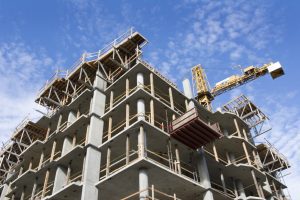
Residential building construction in Nepal starts with understanding the land. NEBCO conducts soil testing, slope analysis, access evaluation, and orientation studies. These investigations help define foundation type, drainage strategy, and structural design, ensuring safety and cost efficiency.
4. Planning Homes for Nepali Lifestyles
Residential building construction in Nepal is shaped by how families live. NEBCO designs homes considering joint family living, privacy needs, daylight usage, storage, kitchens, puja spaces, and future expansion possibilities. Practical layouts improve everyday comfort and usability.
5. Seismic-Resistant Structural Design
Residential building construction in Nepal demands strong earthquake resistance. NEBCO prioritizes seismic design through proper structural framing, column-beam alignment, shear walls, ductile detailing, and load-path continuity. Safety is never compromised for aesthetics or speed.
6. Foundation Systems for Nepali Soil Conditions
Residential building construction in Nepal requires foundations suited to varied soil types. NEBCO selects isolated footings, combined footings, raft foundations, or pile systems based on soil reports, load calculations, and site constraints, ensuring long-term stability.
7. Quality-Controlled Material Selection
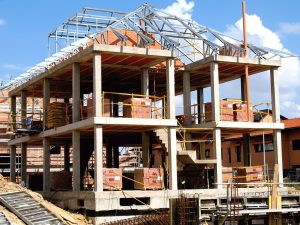
Residential building construction in Nepal depends on durable materials. NEBCO carefully selects cement, steel, aggregates, bricks, blocks, and concrete mixes. Every material is checked for strength, consistency, and compliance to maintain construction integrity.
8. Masonry and Wall Construction Standards
Residential building construction in Nepal often relies on masonry systems. NEBCO ensures proper bonding, mortar ratios, alignment, curing, and reinforcement detailing in walls, improving both structural performance and finish quality.
9. Reinforced Concrete Work Excellence
Residential building construction in Nepal requires precise reinforced concrete execution. NEBCO enforces strict shuttering standards, steel fixing accuracy, concrete mixing control, vibration practices, and curing processes to achieve high-strength structural elements.
10. Roofing Systems in Residential Homes
Residential building construction in Nepal includes diverse roofing solutions. NEBCO constructs RCC slabs, sloped roofs, and terrace systems with attention to waterproofing, thermal comfort, drainage, and future solar integration.
11. Waterproofing and Moisture Protection
Residential building construction in Nepal must handle monsoons effectively. NEBCO uses multilayer waterproofing systems in roofs, bathrooms, kitchens, balconies, and basements to protect homes from leakage, dampness, and long-term deterioration.
12. Electrical Planning for Safety and Comfort
Residential building construction in Nepal includes safe electrical system design. NEBCO plans load distribution, circuit protection, earthing, backup power readiness, and smart layout integration, ensuring safety and convenience.
13. Plumbing and Sanitary System Design
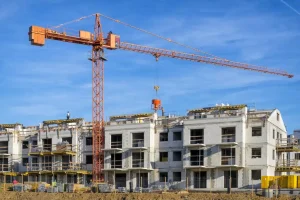
Residential building construction in Nepal requires efficient water management. NEBCO designs plumbing for proper pressure, hygiene, drainage slopes, water storage, and maintenance access, reducing future issues and health risks.
14. Finishing Works with Long-Term Value
Residential building construction in Nepal is completed through quality finishes. NEBCO focuses on plaster accuracy, flooring durability, joinery precision, paint systems, and fixture installation that balances aesthetics with durability.
15. Energy Efficiency in Residential Construction
Residential building construction in Nepal benefits from energy-efficient design. NEBCO incorporates natural lighting, ventilation planning, insulation strategies, and energy-conscious systems to reduce long-term operating costs.
16. Fire Safety in Residential Buildings
Residential building construction in Nepal must consider fire risks. NEBCO installs fire-resistant materials, safe electrical layouts, clear exit paths, and basic fire protection measures to safeguard families.
17. Construction Site Safety and Management
Residential building construction in Nepal involves daily safety risks. NEBCO maintains clean, organized sites with worker training, safety equipment, controlled access, and supervision to prevent accidents and delays.
18. Cost Transparency and Budget Control
Residential building construction in Nepal can suffer from budget overruns. NEBCO provides clear cost planning, stage-wise execution, material accountability, and disciplined procurement to maintain financial clarity for homeowners.
19. Quality Checks and Inspection Processes
Residential building construction in Nepal at NEBCO includes continuous inspection. Engineers monitor workmanship, materials, measurements, and compliance at every stage, not just at completion.
20. Long-Term Reliability of NEBCO Homes
Residential building construction in Nepal is complete only when homes stand the test of time. NEBCO delivers houses built for durability, adaptability, and low maintenance, creating lasting value for families.
Final Thoughts
Residential building construction in Nepal requires more than technical skill—it requires responsibility, planning discipline, and respect for human life and investment. NEBCO Construction brings all these elements together through structured processes, experienced teams, and a genuine commitment to quality. For homeowners seeking reliability, safety, and long-term peace of mind, residential building construction in Nepal is best delivered through NEBCO’s professional, people-first approach.
Contact Details of Nebco:
Location: Kuleshwor, Kathmandu, Nepal
Email: [email protected]
Phone: +9779803850955
FAQs on residential building construction in Nepal:-
1. What is residential building construction in Nepal?
Residential building construction in Nepal refers to the complete process of planning, designing, and constructing houses or residential buildings that suit Nepal’s climate, seismic conditions, lifestyle, and regulations. NEBCO handles this process in a structured and professional manner.
2. Why is seismic safety important in residential building construction in Nepal?
Nepal lies in a high seismic zone, making earthquake resistance essential. NEBCO ensures residential building construction in Nepal follows seismic design principles to protect lives and property.
3. How does NEBCO start residential building construction in Nepal?
NEBCO starts residential building construction in Nepal with site analysis, soil testing, client requirement discussions, and proper architectural and structural planning before any physical work begins.
4. What type of houses does NEBCO construct?
NEBCO undertakes residential building construction in Nepal for individual homes, duplex houses, villas, apartment buildings, and multi-storey residential projects.
5. How important is soil testing in residential building construction in Nepal?
Soil testing is critical in residential building construction in Nepal. NEBCO uses soil reports to design safe foundations and prevent settlement or structural failure.
6. What foundation types are used by NEBCO?
NEBCO selects isolated footings, combined footings, raft foundations, or pile foundations depending on soil conditions and building load requirements.
7. How does NEBCO ensure quality materials?
In residential building construction in Nepal, NEBCO inspects cement, steel, aggregates, bricks, and blocks to ensure consistent quality and compliance with standards.
8. Does NEBCO follow building codes in Nepal?
Yes, NEBCO strictly follows municipal bylaws, national building codes, and seismic standards during residential building construction in Nepal.
9. How does NEBCO handle architectural planning?
NEBCO designs homes that balance aesthetics, usability, natural light, ventilation, and future expansion needs.
10. Can NEBCO customize house designs?
Yes, residential building construction in Nepal with NEBCO is fully customized to client needs, lifestyle, and budget.
11. How does NEBCO manage construction timelines?
NEBCO uses structured scheduling, material planning, and site coordination to deliver residential projects on time.
12. Why is reinforcement detailing important?
Proper steel placement ensures seismic strength. NEBCO follows detailed reinforcement drawings and on-site supervision.
13. How does NEBCO ensure concrete quality?
NEBCO controls mix ratios, vibration, curing, and shuttering quality during residential building construction in Nepal.
14. What masonry practices does NEBCO follow?
NEBCO ensures proper bond patterns, mortar ratios, alignment checks, and curing of masonry works.
15. Does NEBCO provide waterproofing solutions?
Yes, NEBCO applies waterproofing systems to roofs, bathrooms, balconies, and basements.
16. How does NEBCO handle monsoon challenges?
NEBCO plans drainage, slope protection, material storage, and work sequencing to manage monsoon conditions effectively.
17. Is electrical safety addressed in residential projects?
Yes, NEBCO designs electrical layouts with circuit protection, earthing, and safe load distribution.
18. How is plumbing planned in NEBCO homes?
NEBCO ensures proper water pressure, drainage slopes, ventilation, and ease of maintenance.
19. Does NEBCO focus on energy efficiency?
Yes, NEBCO incorporates natural lighting, ventilation planning, and energy-efficient systems.
20. How does NEBCO ensure fire safety in homes?
NEBCO installs fire-safe electrical layouts, clear exits, and fire-resistant materials where needed.
21. What safety measures are followed on site?
NEBCO enforces helmets, safety training, clean sites, and hazard control protocols.
22. Can NEBCO manage budget control?
Yes, NEBCO practices transparent costing and disciplined expense monitoring.
23. How does NEBCO avoid cost overruns?
Through detailed planning, proper procurement, and minimizing rework during residential building construction in Nepal.
24. Does NEBCO conduct quality inspections?
Yes, quality checks are performed at every stage, not only at project completion.
25. How long does residential construction usually take?
Timelines vary by size and complexity, but NEBCO ensures efficient and realistic scheduling.
26. Can NEBCO handle small residential projects?
Yes, NEBCO constructs small, medium, and large residential buildings.
27. How does NEBCO ensure finishing quality?
NEBCO monitors plastering, flooring, painting, and fixture installation with precision.
28. Are future expansions considered?
Yes, NEBCO plans structural capacity and layouts for future expansions.
29. Does NEBCO use modern construction methods?
Yes, NEBCO adopts efficient and updated construction practices suitable for Nepal.
30. How does NEBCO manage material storage on site?
Materials are stored securely to prevent damage, contamination, and wastage.
31. What makes NEBCO different from others?
NEBCO combines technical discipline, transparency, safety, and long-term thinking.
32. How is client communication handled?
NEBCO maintains clear communication throughout residential building construction in Nepal.
33. Does NEBCO provide project supervision?
Yes, experienced engineers supervise all construction stages.
34. Is workmanship regularly checked?
Yes, workmanship quality is monitored daily.
35. Does NEBCO use proper curing practices?
Yes, curing schedules are strictly followed to ensure concrete strength.
36. How does NEBCO prevent cracks?
Proper design, reinforcement, curing, and material quality reduce cracking risks.
37. Are staircases safely designed?
Yes, NEBCO designs staircases with proper dimensions and safety considerations.
38. Does NEBCO follow sustainable practices?
NEBCO uses resource-efficient practices and minimizes construction waste.
39. Can NEBCO handle urban residential plots?
Yes, NEBCO has experience building on tight urban sites.
40. How does NEBCO manage noise and dust?
Construction methods and scheduling reduce disruption to neighbors.
41. What roofing options does NEBCO provide?
NEBCO offers RCC slabs, terrace roofs, and weather-resistant roofing systems.
42. How does NEBCO manage drainage?
Proper slope design and drainage lines prevent water accumulation.
43. Is long-term durability prioritized?
Yes, durability is a core focus of residential building construction in Nepal by NEBCO.
44. Does NEBCO provide documentation?
NEBCO maintains records for quality, inspections, and approvals.
45. How does NEBCO ensure worker accountability?
Clear roles, supervision, and performance monitoring are enforced.
46. Are bathrooms waterproofed properly?
Yes, NEBCO applies detailed waterproofing in all wet areas.
47. Does NEBCO handle utility coordination?
Yes, NEBCO plans water, sewer, and electricity integration.
48. How does NEBCO control construction waste?
Material planning and reuse strategies reduce waste.
49. Is ventilation considered in design?
Yes, cross-ventilation is planned for comfort and health.
50. How does NEBCO ensure measurement accuracy?
Engineers verify dimensions before and during construction.
51. Does NEBCO provide post-construction guidance?
Yes, homeowners receive maintenance and usage guidelines.
52. How does NEBCO prevent water seepage?
Through layered waterproofing and proper detailing.
53. Does NEBCO use skilled labor?
Yes, trained and experienced workers are engaged.
54. What role does supervision play?
Supervision ensures corrections before errors become permanent.
55. Does NEBCO ensure structural alignment?
Yes, column and beam alignment is strictly maintained.
56. Are load calculations considered?
Yes, NEBCO calculates dead, live, and seismic loads.
57. How does NEBCO ensure long-term safety?
By combining design accuracy, execution quality, and maintenance awareness.
58. Can NEBCO handle multistorey houses?
Yes, NEBCO is experienced in multistorey residential buildings.
59. What inspection tools does NEBCO use?
Visual checks, measurements, material testing, and checklists.
60. Is client feedback considered during construction?
Yes, feedback is addressed within technical feasibility.
61. How does NEBCO manage curing during summer?
Water curing schedules are adjusted to temperature conditions.
62. Are finishing materials selected carefully?
Yes, durability and maintenance are considered.
63. Does NEBCO ensure proper drainage slopes?
Yes, slope accuracy is carefully implemented.
64. How does NEBCO ensure construction discipline?
Strict supervision, documentation, and procedures.
65. Can NEBCO handle tight construction sites?
Yes, site logistics are carefully planned.
66. Does NEBCO prioritize safety over speed?
Yes, safety and quality always come before speed.
67. Is residential comfort a priority?
Yes, homes are designed for long-term comfort and usability.
68. How does NEBCO handle material shortages?
Advanced procurement planning prevents delays.
69. Does NEBCO ensure compliance at all stages?
Yes, compliance is monitored continuously.
70. Why trust NEBCO for residential building construction in Nepal?
Because NEBCO combines engineering expertise, safety culture, quality workmanship, and long-term commitment to homeowners.
Contact Details of Nebco:
Location: Kuleshwor, Kathmandu, Nepal
Email: [email protected]
Phone: +9779803850955


