
Importance of Sustainable Architecture in the Growing Construction Industry of Nepal
By NEBCO Construction
Introduction | Importance of Sustainable Architecture in the Growing Construction Industry of Nepal
Importance of Sustainable Architecture in the Growing Construction Industry of Nepal: Nepal’s construction industry is rapidly evolving. With increasing urbanization, a growing real estate market, and rising demand for modern housing, offices, and infrastructure, the sector is expanding at an impressive pace. However, this growth brings significant challenges—rising energy consumption, depletion of natural resources, and environmental degradation. To address these issues, sustainable architecture has emerged as a powerful solution.
At NEBCO Construction, we believe that the future of Nepal’s construction industry lies in adopting eco-friendly building practices, energy-efficient designs, and innovative architectural solutions that balance modern living with environmental responsibility. This article explores the importance of sustainable architecture, its role in Nepal’s growing construction industry, and how NEBCO is leading the way toward greener, smarter, and more resilient buildings.
What is Sustainable Architecture?
Sustainable architecture is the practice of designing and constructing buildings that minimize negative environmental impacts while maximizing efficiency, comfort, and long-term value. It involves:
- Using eco-friendly building materials (bamboo, recycled wood, low-carbon cement).
- Incorporating energy-efficient systems (LED lighting, insulation, solar power).
- Designing for natural ventilation and lighting.
- Integrating water conservation systems like rainwater harvesting and low-flow plumbing.
- Ensuring buildings are resilient against natural disasters, especially earthquakes in Nepal.
In essence, sustainable architecture is about creating buildings that serve both people and the planet.
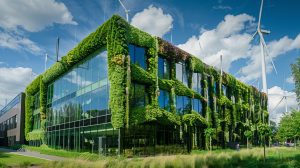
Why Sustainable Architecture is Important in Nepal
1. Rapid Urbanization and Population Growth
Cities like Kathmandu, Pokhara, and Chitwan are witnessing a construction boom. Without sustainable practices, this growth can lead to pollution, resource scarcity, and poor living conditions. Sustainable design ensures development that is future-ready and environmentally responsible.
2. Nepal’s Vulnerability to Natural Disasters
Nepal lies in a seismically active region. Sustainable architecture emphasizes earthquake-resistant designs and resilient structures, safeguarding lives and investments.
3. Rising Energy Costs
With limited energy resources and frequent reliance on imports, Nepal needs buildings that consume less energy. Sustainable architecture reduces dependency through solar energy, natural cooling, and smart building systems.
4. Climate Change and Environmental Concerns
Global warming affects Nepal significantly—melting glaciers, changing weather, and increased flooding. By adopting green architecture, the construction industry can reduce carbon emissions and environmental damage.
5. Long-Term Cost Savings
Although sustainable buildings may require slightly higher upfront investment, they save money over time through reduced utility bills, lower maintenance, and higher property values.
Principles of Sustainable Architecture
- Energy Efficiency – Designing buildings that use less energy through insulation, solar panels, and smart systems.
- Water Management – Rainwater harvesting, greywater recycling, and water-efficient fixtures.
- Eco-Friendly Materials – Using bamboo, stone, recycled steel, and low-VOC paints.
- Passive Design Strategies – Natural light, cross ventilation, and orientation to reduce artificial energy use.
- Waste Reduction – Recycling construction waste and reusing materials.
- Resilience – Earthquake-resistant and disaster-proof designs.
- Sustainable Landscaping – Green roofs, vertical gardens, and native plants.
Role of Sustainable Architecture in Nepal’s Construction Industry
1. Residential Sector
Homeowners are increasingly seeking eco-friendly homes. From energy-efficient windows to solar-powered water heaters, sustainable housing is becoming a priority for families in Nepal.
2. Commercial Sector
Hotels, resorts, and office buildings are adopting sustainable designs to appeal to eco-conscious clients and reduce operational costs.
3. Government and Public Infrastructure
Schools, hospitals, and government buildings are shifting toward green certification and sustainable standards, making public infrastructure more efficient.
4. Foreign Investment in Real Estate
Foreign investors prefer working with construction companies that adopt sustainable practices, as it reflects global building standards.
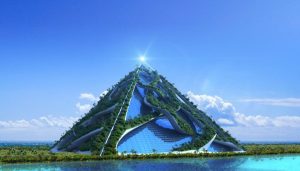
NEBCO Construction’s Expertise in Sustainable Architecture
At NEBCO Construction, sustainability is at the heart of our work. We integrate modern technologies, innovative materials, and eco-conscious design strategies to create structures that last for generations.
Our Sustainable Practices:
- Designing energy-efficient homes and commercial buildings.
- Promoting eco-friendly materials like bamboo and recycled steel.
- Integrating solar energy systems and rainwater harvesting.
- Using earthquake-resistant technologies to enhance resilience.
- Encouraging smart building designs that optimize natural resources.
We believe that every project—big or small—should contribute to a greener Nepal.
Benefits of Choosing Sustainable Architecture with NEBCO
- Reduced Energy Bills – Save money with solar and passive cooling.
- Improved Indoor Comfort – Natural ventilation and lighting create healthier spaces.
- Environmental Protection – Minimize carbon footprint and resource depletion.
- Higher Property Value – Sustainable buildings attract premium buyers.
- Compliance with Global Standards – Meeting international norms for eco-friendly design.
- Future-Readiness – Buildings designed to withstand environmental and economic changes.
Challenges in Adopting Sustainable Architecture in Nepal
- Higher Initial Costs – Some clients hesitate due to upfront investment.
- Limited Awareness – Not all homeowners understand the benefits of sustainability.
- Shortage of Skilled Professionals – Need for trained architects and engineers.
- Material Availability – Eco-friendly materials are not always accessible.
- Policy Gaps – Stronger government incentives are needed.
At NEBCO, we address these challenges by educating clients, sourcing materials responsibly, and offering cost-effective green solutions.
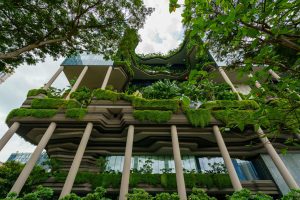
Future of Sustainable Architecture in Nepal
- Green Certifications – Nepal will see more LEED and GRIHA-certified projects.
- Smart Cities – The government is pushing for smart, sustainable urban spaces.
- Eco-Tourism Architecture – Resorts and hotels will increasingly focus on sustainability.
- Technology Integration – Smart homes with IoT-based energy management will rise.
- Policy Support – Government incentives for solar, rainwater harvesting, and eco-friendly designs.
Why Choose NEBCO Construction for Sustainable Architecture?
- Experience: Years of expertise in eco-friendly construction.
- Innovation: Integration of latest technologies and trends.
- Transparency: Clear cost estimates and honest communication.
- Customization: Designs tailored to lifestyle, culture, and budget.
- Trust: Proven track record of delivering quality, sustainable projects.
Conclusion
The future of Nepal’s construction industry depends on sustainable architecture. As urbanization accelerates, it is crucial to adopt eco-friendly practices that ensure resilient, efficient, and environmentally conscious buildings.
NEBCO Construction is proud to lead this transformation in Nepal. By combining expertise, innovation, and sustainability, we are building not just structures, but a greener and brighter future for generations to come.
Contact Details of Nebco:
Location: Kuleshwor, Kathmandu, Nepal
Email: [email protected]
Phone: +9779803850955
FAQs on Sustainable Architecture in Nepal – By NEBCO Construction
General FAQs about Sustainable Architecture in Nepal
Q1. What is sustainable architecture in Nepal?
Sustainable architecture in Nepal refers to designing and constructing buildings that use eco-friendly materials, save energy, conserve water, and create healthier living spaces while reducing environmental impact.
Q2. Why is sustainable architecture important in Nepal?
It helps balance rapid urbanization with environmental protection, reduces energy dependency, and ensures earthquake-resilient structures in Nepal’s challenging geography.
Q3. How does sustainable architecture reduce construction costs in Nepal?
While initial costs may be slightly higher, sustainable buildings save money long-term through lower energy bills, reduced maintenance, and increased property value.
Q4. What are the main features of sustainable architecture?
Energy efficiency, water conservation, eco-friendly materials, natural ventilation, disaster resilience, and smart building technologies.
Q5. Is sustainable architecture only for big projects in Nepal?
No. Sustainable practices can be applied to small homes, apartments, offices, and large infrastructure projects alike.
FAQs about Eco-Friendly Materials and Resources
Q6. What materials are commonly used in sustainable buildings in Nepal?
Bamboo, recycled steel, stone, low-carbon cement, reclaimed wood, and locally sourced natural materials.
Q7. Why is bamboo popular in eco-friendly construction in Nepal?
Bamboo is renewable, cost-effective, earthquake-resistant, and abundant in Nepal, making it an ideal sustainable building material.
Q8. Does using recycled materials compromise building strength?
No. With modern technology, recycled steel, wood, and glass maintain durability while reducing environmental waste.
Q9. Can traditional Nepali materials be integrated into sustainable design?
Yes. Stone, mud bricks, and traditional timber, when used with modern methods, enhance sustainability and cultural aesthetics.
Q10. How does NEBCO source eco-friendly materials?
NEBCO works with local suppliers and promotes the use of certified sustainable and recycled materials for all projects.
FAQs about Energy and Water Efficiency
Q11. How do sustainable buildings save energy?
By incorporating insulation, natural lighting, passive cooling, energy-efficient windows, and solar power systems.
Q12. Can solar power be integrated into homes in Nepal?
Yes. NEBCO specializes in solar-ready designs that reduce dependency on the national grid.
Q13. How is water saved in sustainable architecture?
Through rainwater harvesting, low-flow plumbing fixtures, and greywater recycling systems.
Q14. Is rainwater harvesting practical in Kathmandu?
Yes, Kathmandu receives ample rainfall, and harvesting systems significantly reduce water shortages.
Q15. Do sustainable buildings reduce heating and cooling costs?
Yes. Proper orientation, insulation, and natural ventilation help minimize heating and cooling expenses year-round.
FAQs about Design and Comfort
Q16. Are sustainable homes comfortable to live in?
Absolutely. They provide better air circulation, more natural light, and stable indoor temperatures, creating healthier living spaces.
Q17. Do eco-friendly designs limit creativity?
No. Sustainable architecture allows for innovative and modern designs that are both functional and aesthetic.
Q18. Can NEBCO design customized sustainable homes?
Yes. NEBCO offers tailor-made designs based on lifestyle, culture, and budget while keeping sustainability at the core.
Q19. Do sustainable buildings look different from traditional ones?
Not necessarily. Many sustainable designs blend seamlessly with modern and traditional architectural styles.
Q20. Can vertical gardens and green roofs be included?
Yes. NEBCO incorporates green roofs and vertical gardens to improve air quality and insulation.
FAQs about Economic and Social Benefits
Q21. Are sustainable buildings more expensive to build in Nepal?
They may have higher initial costs but offer significant long-term savings and increased property value.
Q22. Do eco-friendly homes have higher resale value?
Yes. Buyers increasingly prefer energy-efficient, eco-conscious homes, leading to better resale opportunities.
Q23. How do sustainable buildings benefit society?
They reduce pollution, conserve resources, and promote healthier communities for future generations.
Q24. Do sustainable offices improve productivity?
Yes. Natural lighting, fresh air, and ergonomic designs enhance employee well-being and efficiency.
Q25. Can sustainable architecture attract foreign investors?
Definitely. Eco-friendly standards align with global investment preferences, making Nepal more appealing.
FAQs about NEBCO Construction’s Role
Q26. Why choose NEBCO Construction for sustainable architecture?
Because NEBCO combines expertise, innovation, eco-friendly materials, and local knowledge to deliver high-quality sustainable projects.
Q27. What types of sustainable projects has NEBCO completed?
Residential homes, commercial complexes, eco-resorts, and green office buildings across Nepal.
Q28. Does NEBCO offer earthquake-resistant designs?
Yes. All NEBCO projects integrate earthquake-resilient technologies, ensuring long-term safety.
Q29. Can NEBCO design smart sustainable homes?
Yes. NEBCO integrates IoT-enabled smart technologies for energy monitoring and automation.
Q30. How does NEBCO educate clients about sustainability?
Through consultations, workshops, and transparent planning, helping clients understand long-term benefits.
FAQs about Challenges and Solutions
Q31. What are the challenges of adopting sustainable architecture in Nepal?
Higher initial costs, limited awareness, and lack of readily available eco-materials.
Q32. How does NEBCO overcome these challenges?
By sourcing local materials, offering cost-effective designs, and spreading awareness among clients.
Q33. Is the government supporting sustainable construction in Nepal?
Yes, though more policies and incentives are needed to accelerate adoption.
Q34. Can small-budget homes in Nepal be sustainable?
Yes. NEBCO provides budget-friendly sustainable solutions without compromising quality.
Q35. Are there skilled professionals in Nepal for green architecture?
Yes, and NEBCO continuously trains its architects and engineers in modern sustainable practices.
Future and Long-Term FAQs
Q36. What is the future of sustainable architecture in Nepal?
Nepal is moving towards green-certified buildings, smart cities, and eco-tourism architecture.
Q37. Will sustainable homes become mandatory in Nepal?
It is likely, as global trends and policies push for environmentally responsible construction.
Q38. Can sustainable architecture help fight climate change?
Yes. It reduces carbon emissions, resource depletion, and environmental damage.
Q39. Will eco-friendly homes remain in demand?
Yes. The demand will grow as people realize long-term savings and health benefits.
Q40. How can NEBCO contribute to a greener Nepal?
By continuing to lead sustainable construction projects, raise awareness, and deliver eco-friendly designs for future generations.
Contact Details of Nebco:
Location: Kuleshwor, Kathmandu, Nepal
Email: [email protected]
Phone: +9779803850955


